

Weak or No Flow
The pump is running, but the returns feel weak, the basket will not stay full, or the system keeps losing prime.
Clear Answers at the Equipment Pad
Weak flow, rising pressure, air in the pump basket, or equipment that does not sound right? We check the practical causes and give you a clear next step.
The Direct Answer
Pool equipment maintenance is the inspection and routine servicing of the system that moves, filters, and sanitizes your water. Pool Pro Florida checks common maintenance-level causes, handles work within our scope, documents what we find, and explains when a licensed specialist is needed.
When to Call
The pump is running, but the returns feel weak, the basket will not stay full, or the system keeps losing prime.
Filter pressure is climbing, circulation drops quickly after cleaning, or the gauge is behaving differently than normal.
The pump sounds different, the timer is not following its schedule, or the salt or automation system is showing an alert.
A Practical Equipment Check
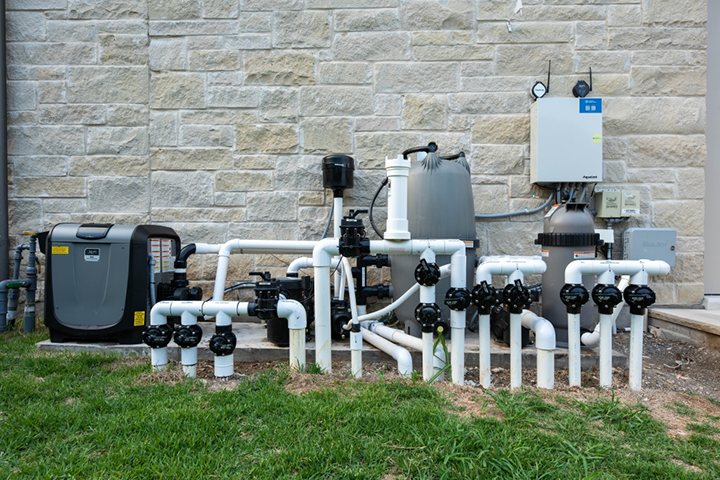
Several different conditions can create the same symptom. We check the system before assuming that an expensive part has failed.
No Blurred Lines
We handle appropriate maintenance-level work and explain it in plain language. Electrical, gas, underground plumbing, construction, installation, and other regulated repairs belong with an appropriately licensed professional. If the problem falls outside our scope, we tell you clearly and help point the job in the right direction.
No guesswork, no bypassed safety systems, and no bandage repair designed to hide the real issue.
Straight Answers
Yes. We check common maintenance-level causes of weak flow, loss of prime, air in the basket, pressure changes, and unusual operation. If the problem requires licensed repair work, we document what we find and explain the next step.
Possible causes include low water, a full basket, a dirty filter, valve position, loss of prime, suction-side air, or a pump problem. If the pump cannot establish flow, shut it down when safe and arrange an inspection rather than letting it continue to run dry.
High pressure commonly points to restricted flow after the pump, often from a filter that needs service or another blockage. The useful comparison is the pool's normal pressure after the filter has been properly cleaned.
We can review visible operation, basic settings, flow conditions, salt-cell condition, and displayed alerts within our maintenance scope. Internal electrical, panel, installation, or regulated repair work is referred to the appropriate specialist.
Send the service address, a short description of the symptom, when it started, access instructions, and a photo or video of the equipment or alert if available. We will confirm whether the request fits our scope and schedule.
Ready for a Clear Answer?
Tell us what the system is doing and what you have already tried. We will confirm the scope and give you a practical next step.